
Late Summer Flowers for Beautiful Fall Color
By late summer, the garden can begin to lose some of its earlier sparkle. Daylilies are winding down, many summer perennials have finished blooming, and even your annuals may be looking a little tired. But the gardening season is far from over. Choose late summer flowers that can transform that end-of-season lull into one of the prettiest times of the year. Here are some of my favorites that also provide nectar and pollen for bees, butterflies, and other pollinators when fewer flowers are available.
1. Asters
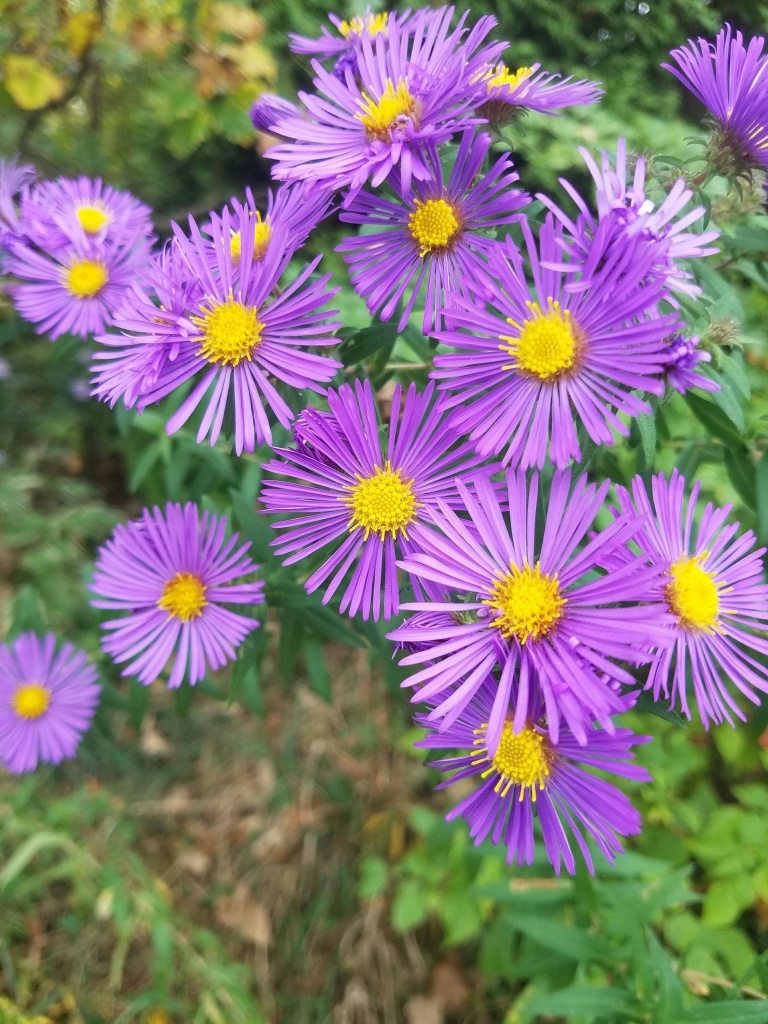
If there’s one perennial that belongs in a fall garden, it’s the aster. Clouds of daisy-like flowers appear in shades of purple, lavender, blue, pink and white, providing a welcome burst of color when many other perennials have called it quits.
New England aster is a classic choice, while aromatic aster and smooth blue aster are other beautiful options. Plant asters in sunny borders where their flowers can mingle with ornamental grasses, sedum and goldenrod. Purple asters paired with golden yellow flowers are particularly striking in the fall garden.
2. Sedum
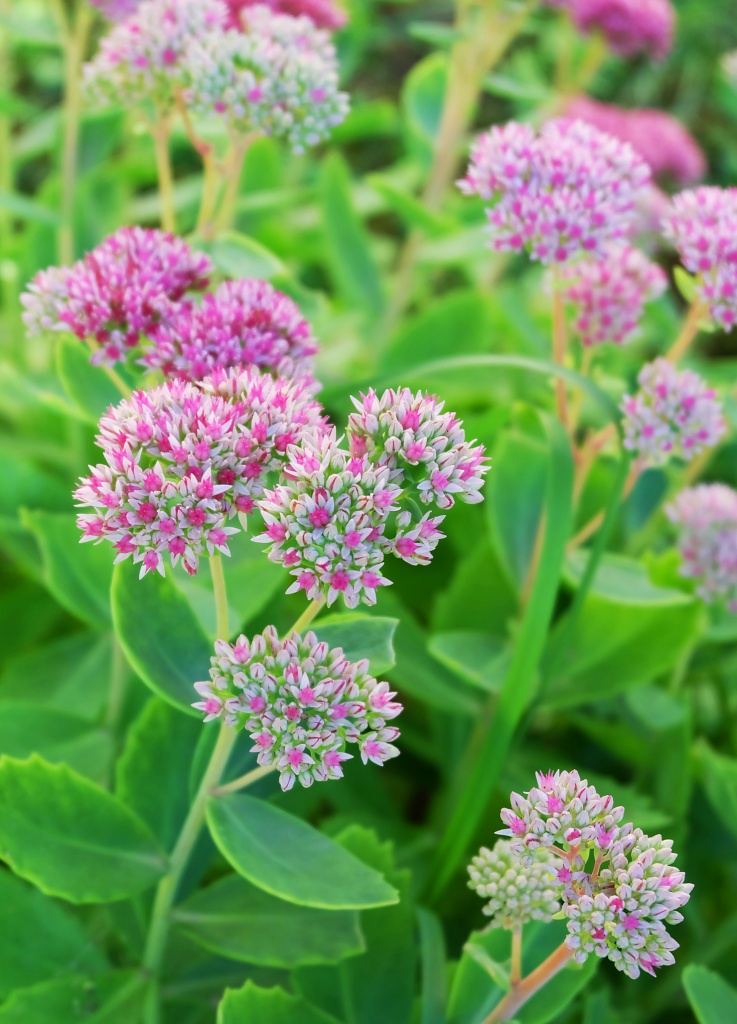
Few plants make the transition from summer into fall as gracefully as sedum. Upright varieties develop substantial flower heads that gradually deepen in color as the season progresses, while their thick foliage adds texture even before the flowers appear. I have a couple of these beauties next to the waterfall in my pond.
Sedums are especially effective when planted in groups toward the front or middle of a border. Pair them with grasses, coneflowers or asters for an easygoing planting that looks increasingly pretty as autumn approaches. I don’t remove the faded flower heads once winter arrives. Instead, I leave them in place to add structure to the winter garden, especially when dusted with frost or snow.
3. Goldenrod
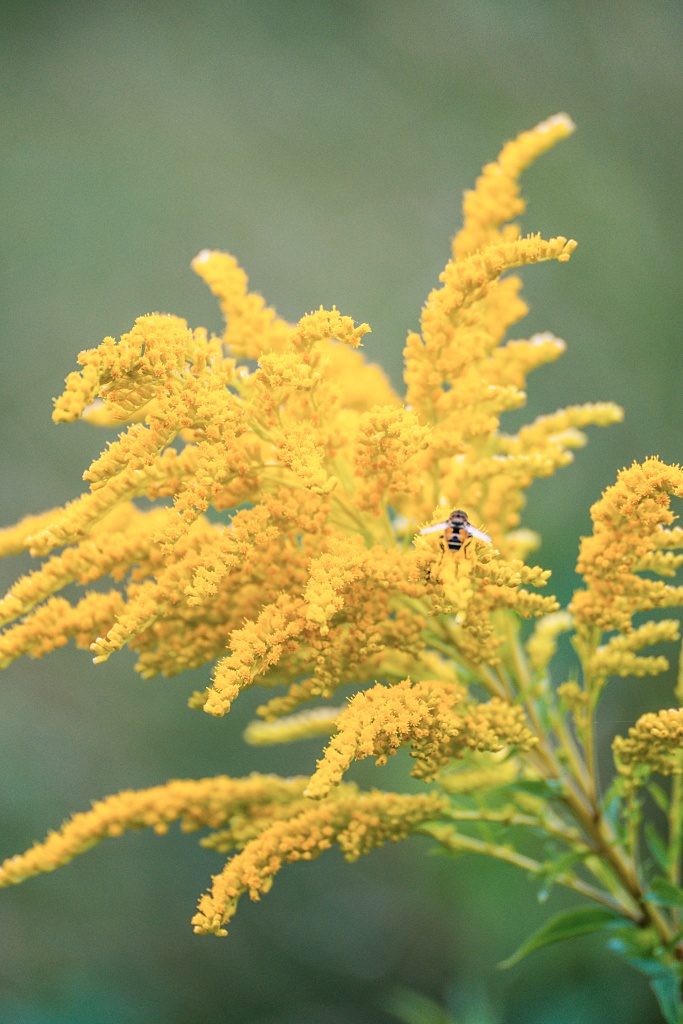
You’ve probably seen masses of goldenrod along the roadside. Its brilliant, tiny golden late summer flowers practically glow in the garden. But don’t think of them as a weed you see in fields since they lend stunning color from late summer into fall.
And despite its reputation, goldenrod isn’t the primary culprit behind fall hay fever; wind-pollinated ragweed is generally responsible. Some goldenrods can spread enthusiastically, so choose varieties suited to a garden setting. Showy goldenrod is one option that’s less aggressive than some other species.
4. Coneflowers
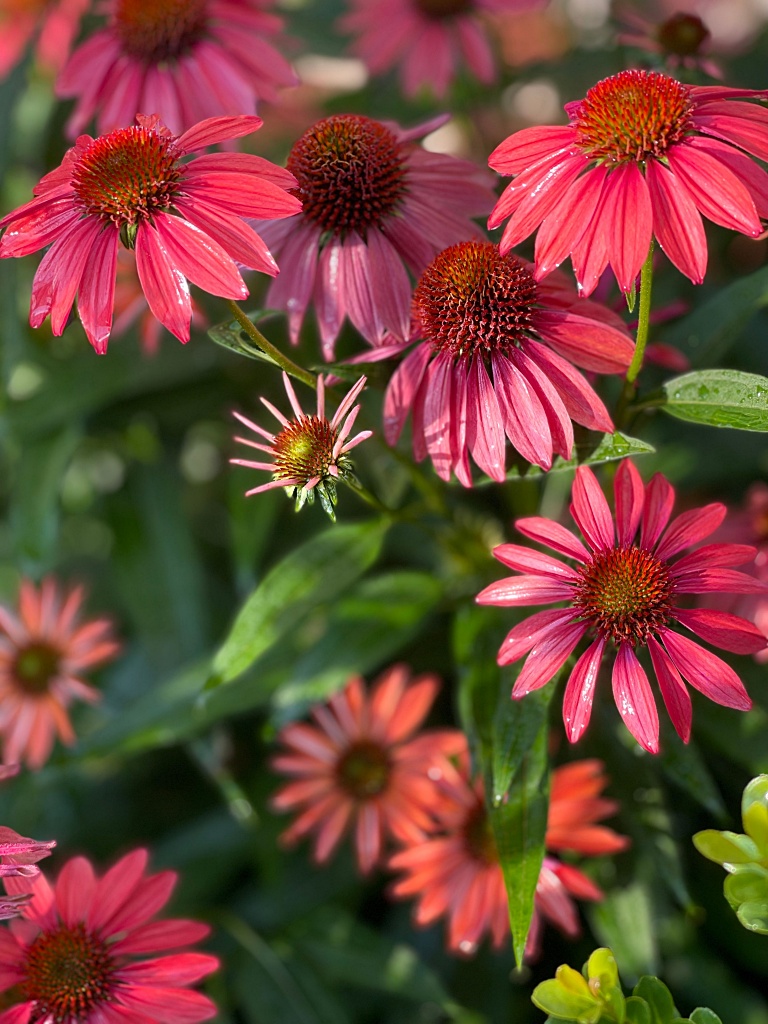
Coneflowers may begin blooming well before fall, but that’s exactly what makes them so valuable in a late-season garden. With a little care, their bloom period can stretch from summer toward autumn, helping connect the two seasons.
As the flowers fade, consider leaving at least some of the distinctive seedheads instead of cutting everything back. Their dark cones provide texture and interest after the petals disappear and will attract seed-eating birds. Coneflowers also look perfectly at home with ornamental grasses and other prairie-inspired plants, making them an easy choice for a relaxed, natural-looking fall garden. Not to mention, they’re great for cutting and bringing indoors.
5. Ornamental Grasses
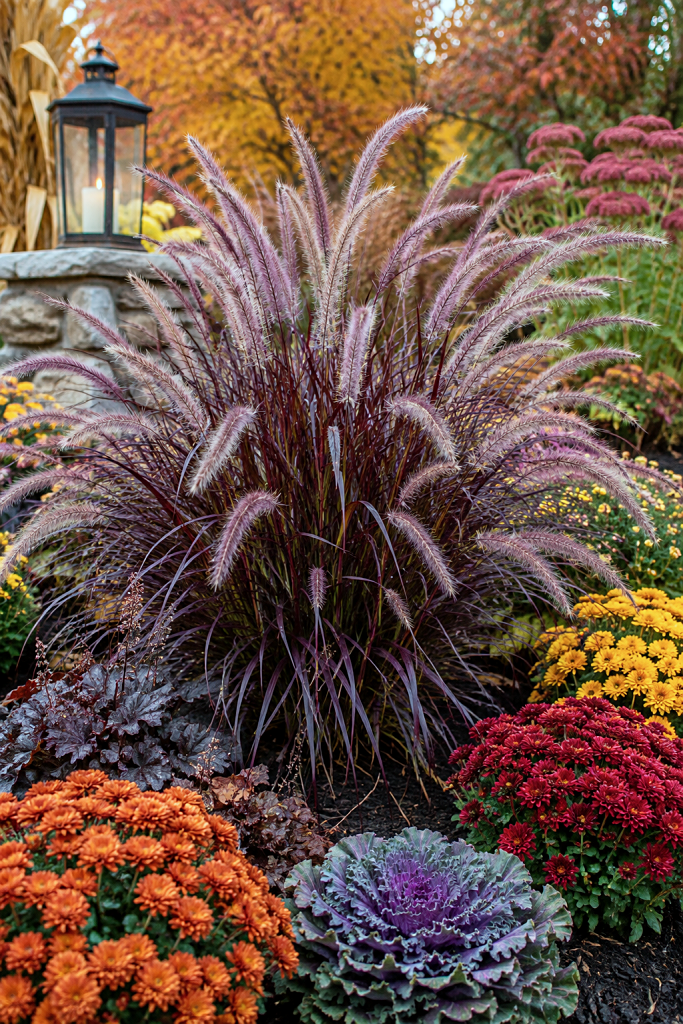
Fall is when ornamental grasses really begin to earn their place in the garden. Their foliage, airy flower plumes and seedheads, provide movement and texture that flowers alone can’t create. As temperatures cool, many grasses also develop shades of gold, bronze, burgundy and reddish purple.
Native grasses such as little bluestem and prairie dropseed are especially attractive choices. Their fall color adds seasonal beauty, while grasses can also provide seeds for birds and overwintering habitat for insects.
Try weaving grasses among flowering perennials rather than relegating them to a separate area. They’ll soften the garden and make the entire planting feel more natural.
6. Joe Pye Weed
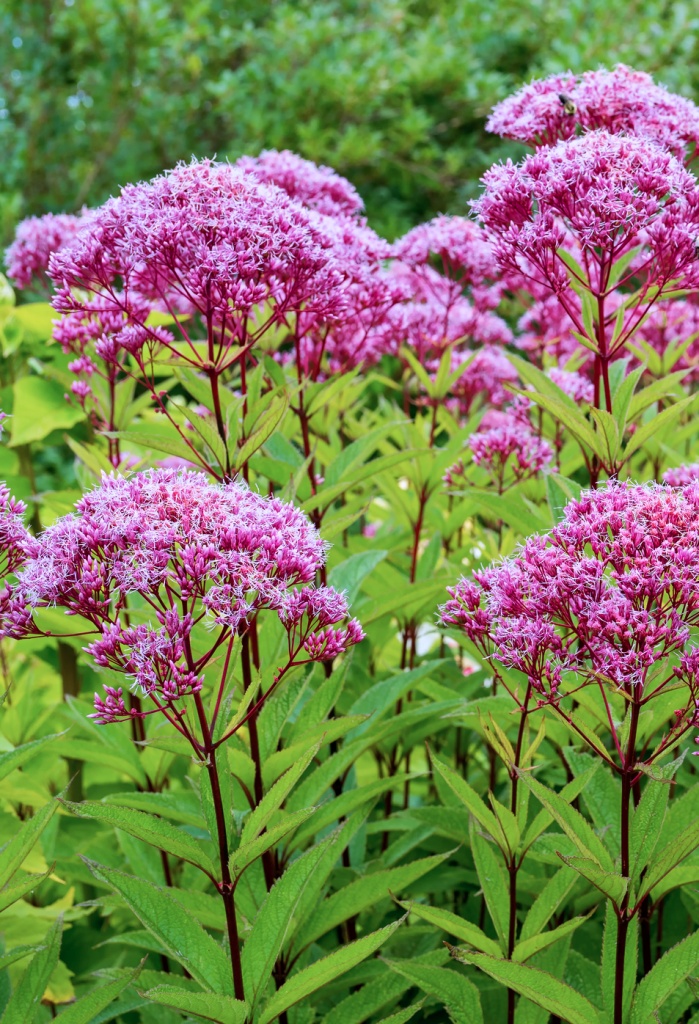
If you have room for a taller perennial, Joe Pye weed makes an impressive late-summer statement. I have these in my rain garden paired iris that blooms earlier in the year. Large clusters of pink to mauve flowers rise above surrounding plants and are especially attractive to butterflies, bees and other pollinators. Some types can reach five to seven feet tall, making it an ideal choice for the back of a border or in a more naturalistic garden.
My rain garden features Joe Pye weed in the back, with iris in the front. Although the iris are done blooming, their long slender leaves make a great accent in the front of the rain garden where water tends to collect in the yard.
7. Black-Eyed Susans
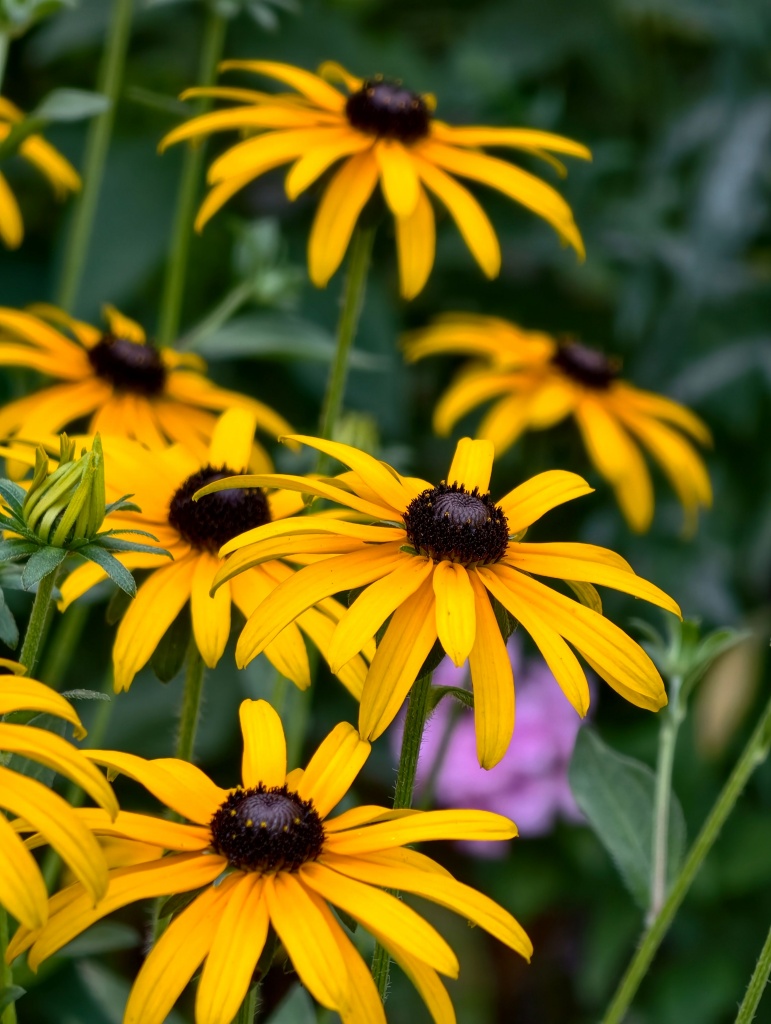
For a splash of sunny color, it’s hard to beat black-eyed Susans. Their golden yellow petals and dark centers feel equally at home in August and September, making them natural transition plants between the two seasons. They work particularly well in cottage gardens and informal borders where they can weave among other perennials. Mix them with purple asters or deep blue and violet flowers for a classic complementary color combination.
8. Helenium
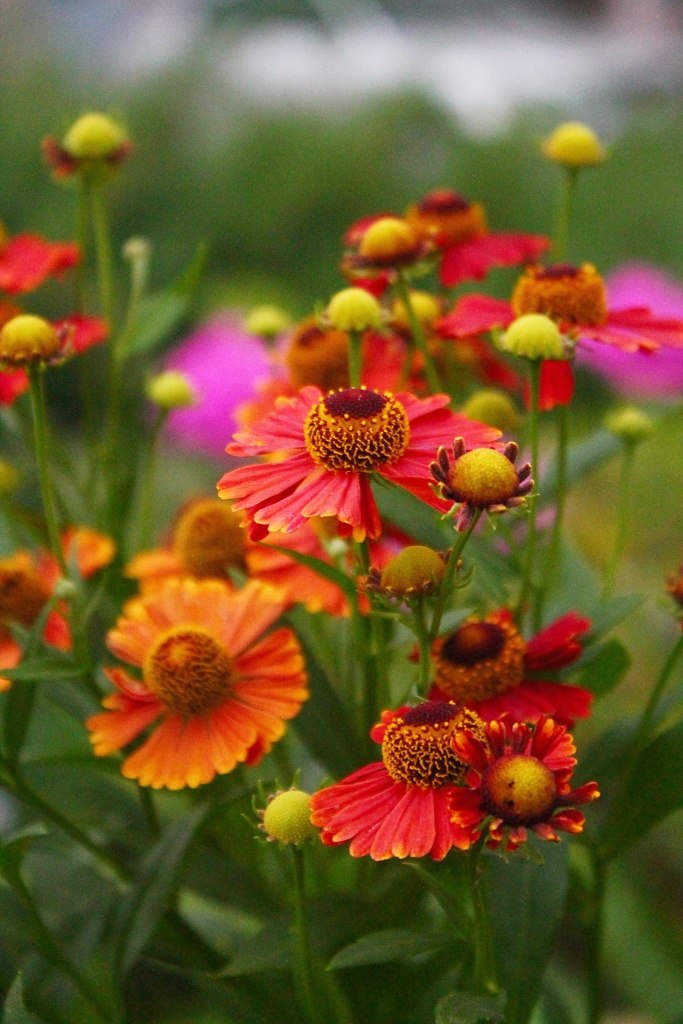
Often called sneezeweed, helenium is another perennial worth considering when it comes to late summer flowers. Its daisy-like blooms typically appear in rich shades of yellow, orange and reddish brown, a perfect palette for the changing season. It looks especially beautiful alongside grasses, where its warm flowers stand out against fine-textured foliage.
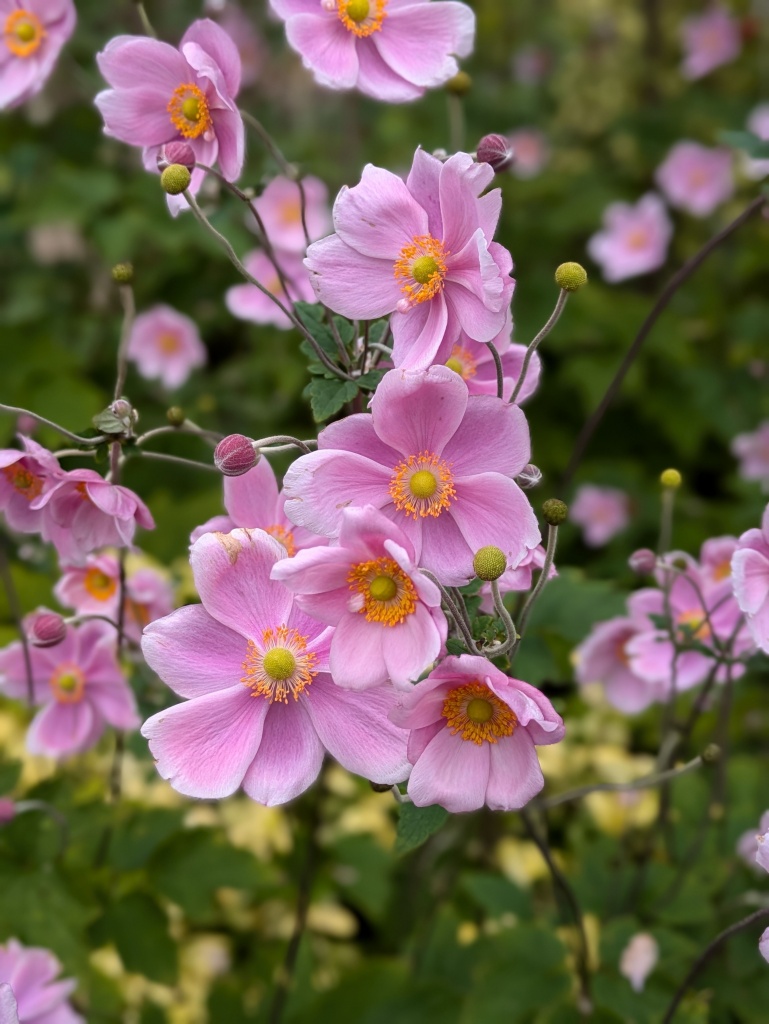
9. Japanese Anemone
Not every fall garden needs to be filled with orange, yellow and burgundy. Japanese anemones bring a softer look with delicate flowers in white and shades of pink held above attractive foliage on slender stems. They can make a lovely counterpoint to the heavier textures and stronger colors associated with autumn.
10. Turtlehead
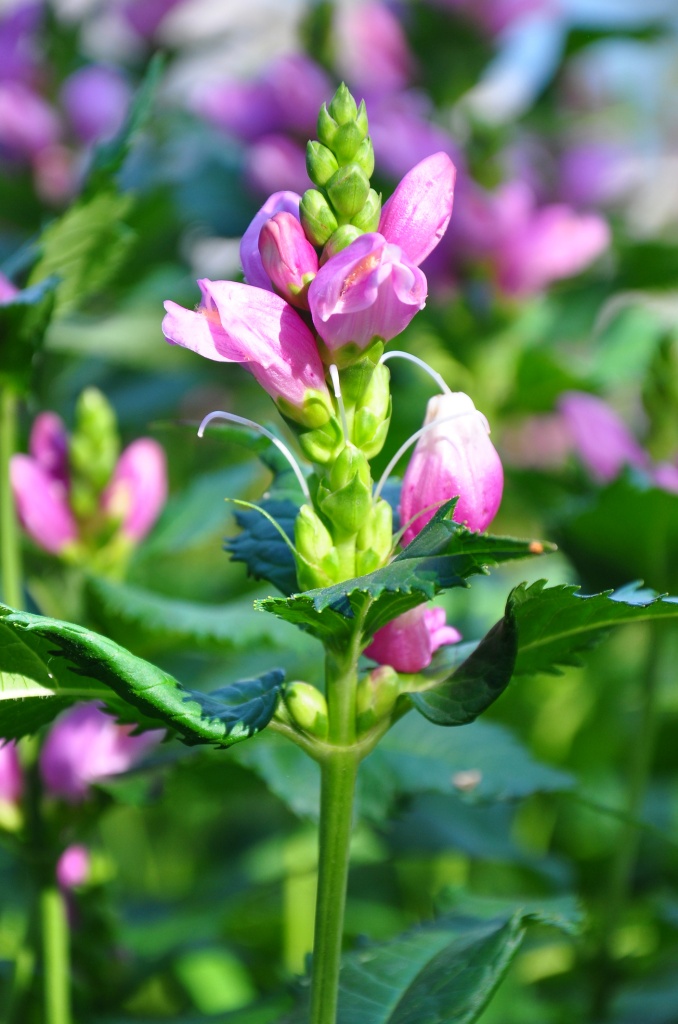
For something a little different, consider turtlehead. Its clusters of pink flowers arrive late in the season and bring welcome color to areas with more moisture than many traditional fall perennials prefer.
The flowers also provide a nice change from the daisy-shaped asters, coneflowers and black-eyed Susans that often dominate late-season planting schemes. Looking at the blooms, you’ll understand how it got its name.
Think Beyond Late Summer Flowers for Fall Color
Some of the most beautiful fall gardens aren’t necessarily the ones with the most flowers. Think about layers of seasonal interest. Asters provide purple blooms, goldenrod contributes brilliant yellow, sedum adds substantial flower heads, and ornamental grasses bring movement and texture. As flowers fade, seedheads, grasses and changing foliage can take over the show.
Leaving at least some of those seedheads and stems standing also extends the garden’s usefulness. They can provide seeds, shelter and overwintering habitat for wildlife and beneficial insects. That’s one reason a garden designed for fall often becomes more interesting as it ages through the season rather than simply looking “finished.”