
Late August Garden Tasks: What to Do Before Fall Arrives
By late August, the garden has a decidedly different feel. The abundant growth of early summer is beginning to slow, some flowers are fading, vegetables are coming in faster than we can use them, and the first hints of autumn are appearing. But don’t put your gardening gloves away just yet. This transition between summer and fall is actually one of the most useful times to work in the garden. A few well-timed late August garden tasks can keep your landscape looking beautiful through September while making fall cleanup, and even next spring, a little easier.
The goal isn’t to give your garden a major overhaul. Instead, think of late August as a time to tidy selectively, keep plants healthy, and make a few plans for the season ahead.
1. Keep Watering When the Garden Needs It
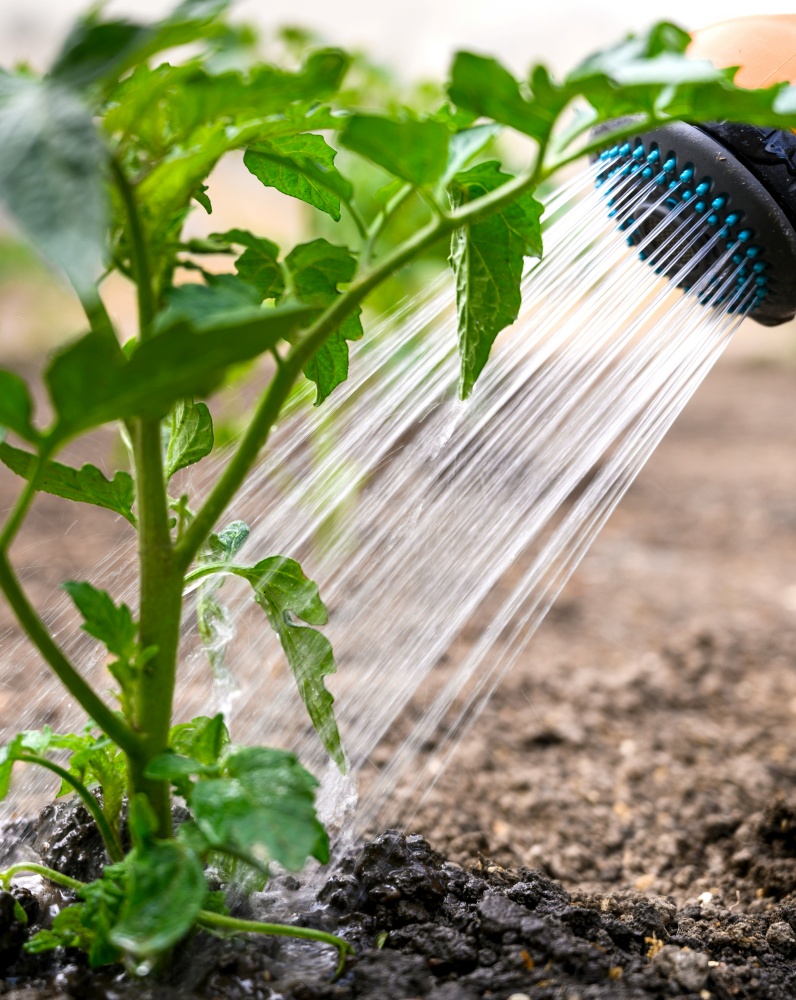
Late summer can still bring stretches of hot, dry weather, and established plants aren’t necessarily immune to drought stress. Pay particular attention to recently planted trees, shrubs and perennials, along with containers and vegetable gardens.
Rather than giving plants frequent shallow drinks, water deeply when needed so moisture reaches farther into the root zone. Check the soil before automatically turning on the hose; if Mother Nature has supplied enough rain, you may not need to water at all.
2. Stay Ahead of the Weeds
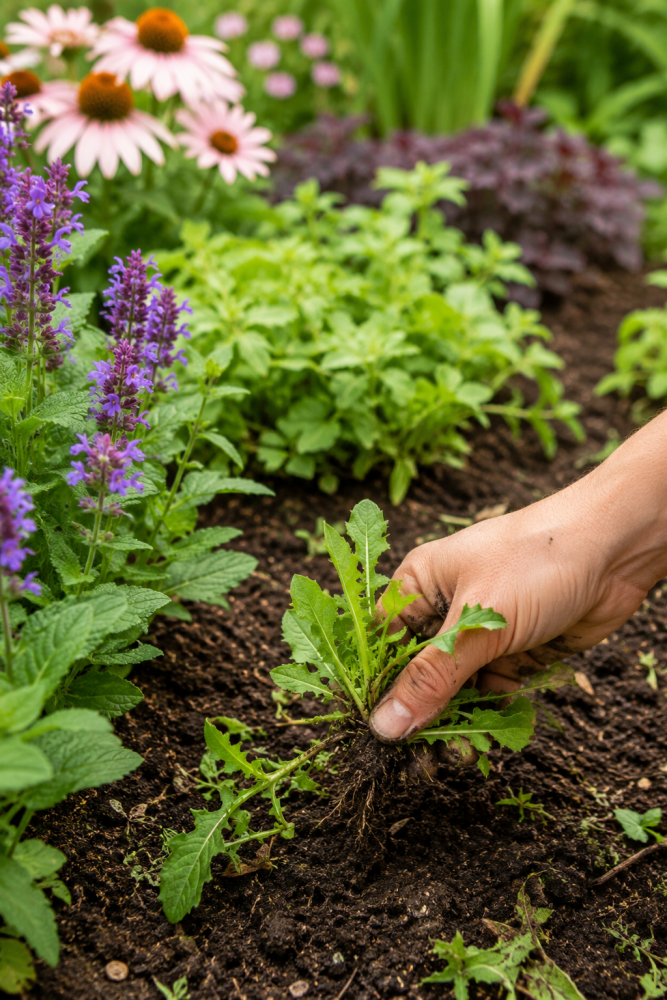
It may be tempting to ignore a few weeds this late in the season, but many are busy producing seeds that can create an even bigger problem next year. Pull or cut weeds before their seedheads mature. Pay particular attention to areas beneath shrubs, along garden edges and behind tall perennials where weeds can easily hide.
Consider this task an investment in next year’s garden: a few minutes spent pulling weeds now can mean hundreds fewer weed seeds waiting to germinate next spring.
3. Deadhead, But Not Everything
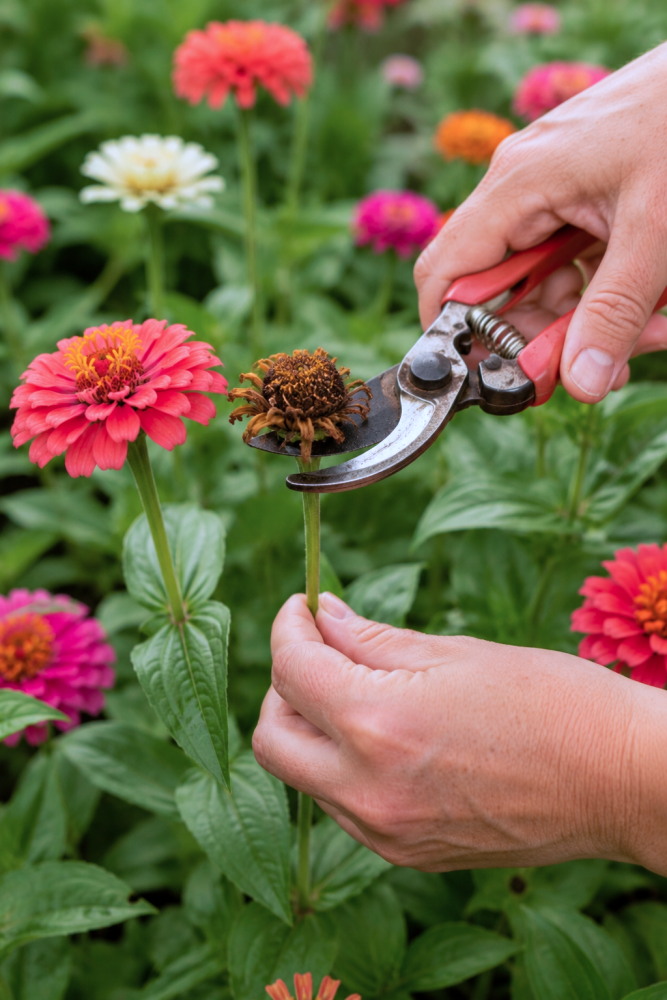
Keep removing spent flowers from plants you want to encourage to bloom into fall. Dahlias, zinnias and many annuals will continue flowering much longer when faded blooms are removed. But there’s no need to make the garden spotless.
Consider leaving some seedheads on coneflowers, sunflowers and other plants for birds to enjoy later in the season. Attractive seedheads can also add wonderful texture to the fall and winter garden. Think of it as selective deadheading rather than a complete cleanup.
4. Divide the Right Perennials
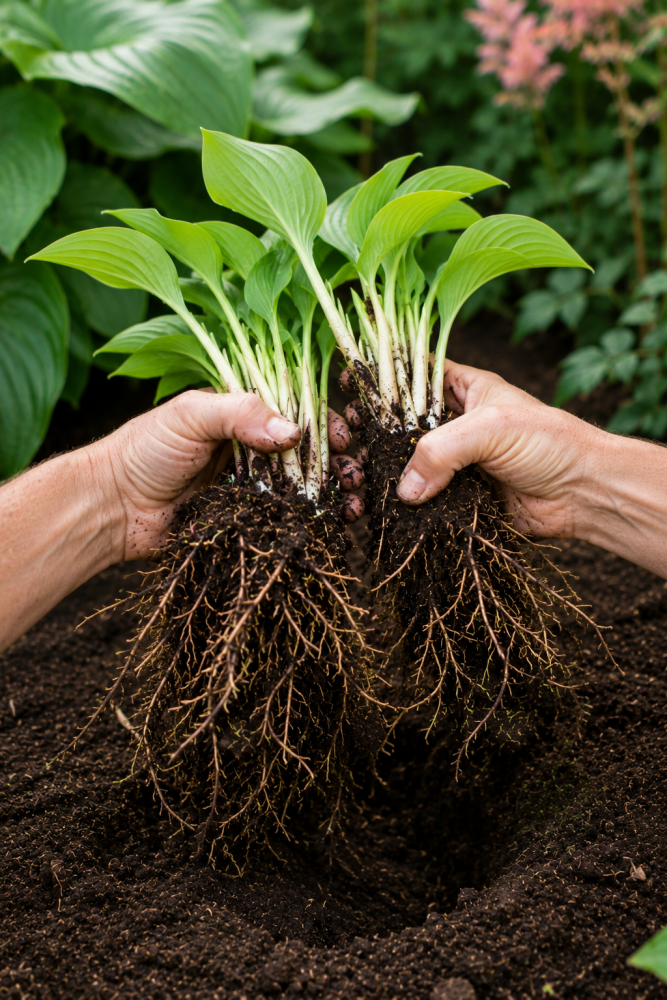
Another one of your late August garden tasks should be to divide certain perennials, especially spring- and early-summer bloomers that have become overcrowded. Plants may be telling you they’re ready for division if the center of the clump is dying out, flowering has declined or the plant has simply grown too large for its allotted space. Dividing gives roots more room and can rejuvenate older plants.
Peonies, for example, can be divided from late August into September in colder climates. If you’re dividing perennials in fall, give them enough time to establish roots before the ground freezes. And remember that not every perennial should be divided now. Fall-blooming plants are generally better divided in spring.
5. Harvest Your Vegetable Garden Regularly
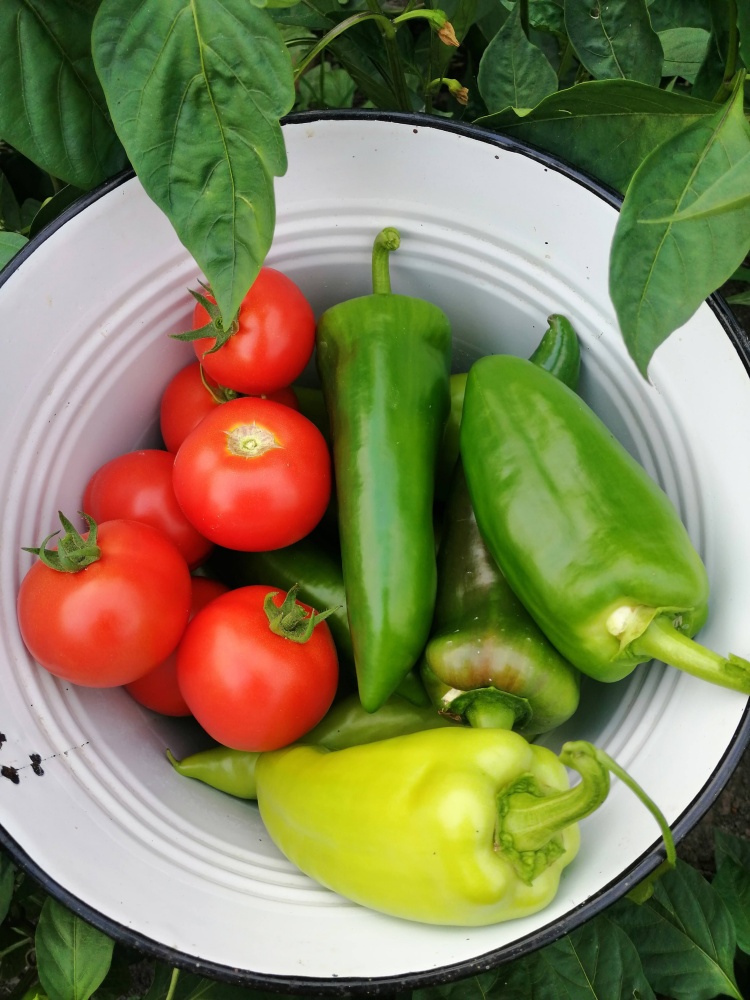
August is harvest season, so be sure not to let ripe vegetables linger on the plants. Keep picking tomatoes, peppers, cucumbers, and other producing crops. Regular harvesting encourages many vegetables to continue producing, while removing overripe or damaged produce helps keep the garden cleaner and less inviting to pests.
As your individual crops finish for the season, remove healthy spent plants and add them to your compost pile. Diseased plant material is better disposed of in a lawn refuse bag rather than added to a home compost pile where pathogens may survive.
6. Plant a Few Vegetables for Fall
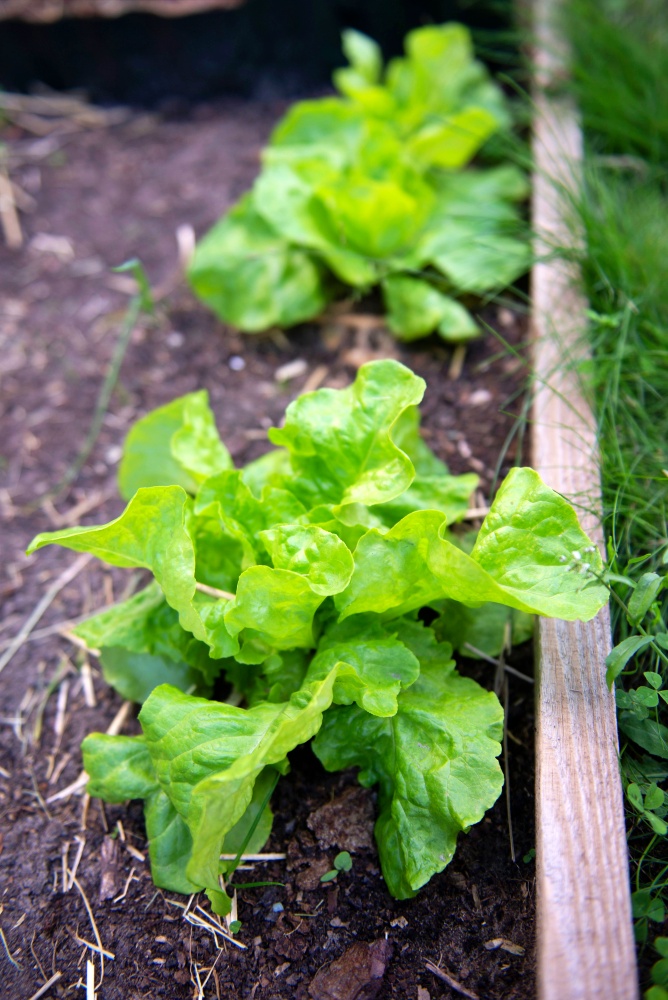
Your vegetable garden doesn’t necessarily have to wind down just because summer is nearing its end. Depending on your climate and first-frost date, there’s still time for quick-growing, cool-season crops. Leaf lettuce, spinach, radishes and other greens are possibilities, while gardeners in some areas can also grow kale, turnips and other cold-tolerant vegetables into fall.
Check the “days to maturity” on the seed packet and compare it with your area’s average first frost date before planting. Remember that growth slows as the days become shorter, so allow yourself a little extra time. I like to grow fall vegetables that I can use in soup recipes.
7. Start Thinking About Spring Bulbs
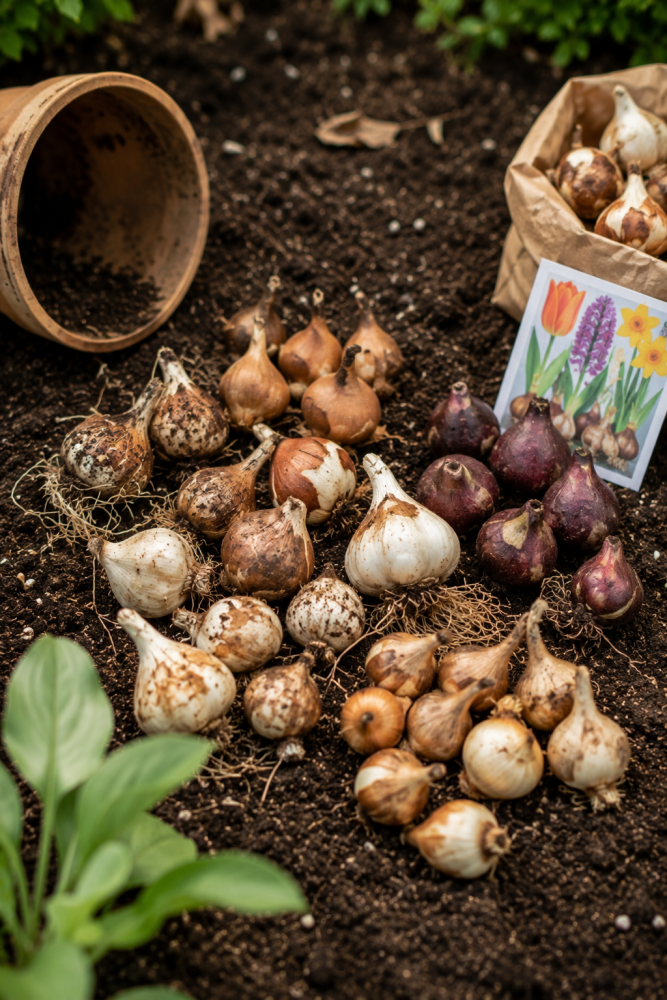
It may seem strange to think about daffodils and tulips while the summer garden is still blooming but now is a great time to start shopping. Ordering bulbs as one of your late August garden tasks gives you a better chance of finding the varieties you want before popular choices sell out. In colder climates, the actual planting generally comes later in mid-September to mid-October.
Walk through your garden now and look for places that could use more spring color. Take a few photos with your phone so you’ll remember those empty spots when planting time arrives.
8. Collect Seeds From Favorite Flowers
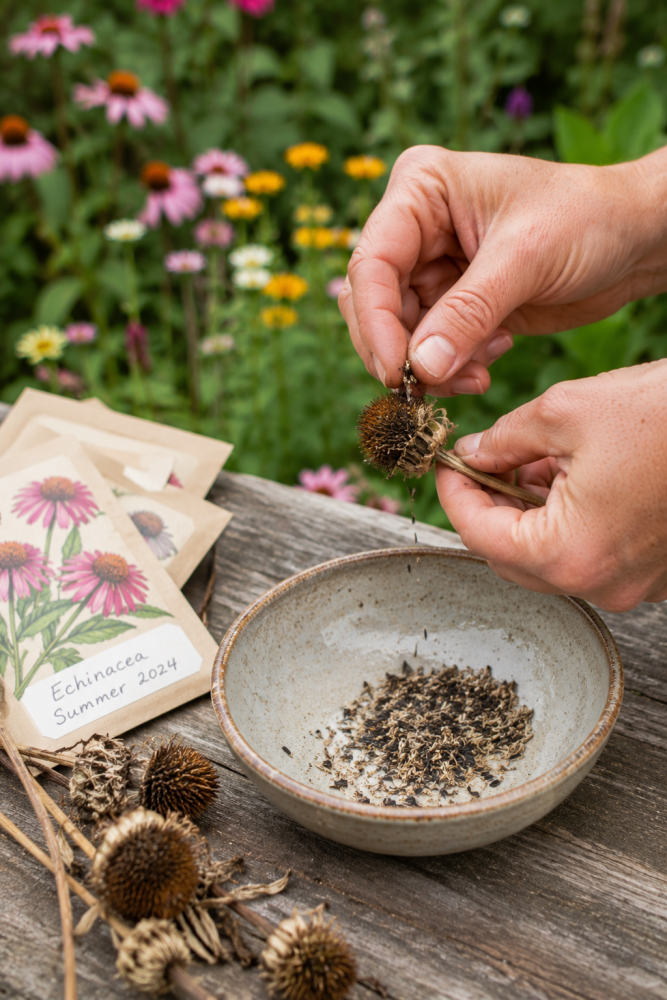
Some of the best souvenirs from this year’s garden are free. Allow seedheads from your favorite flowers to mature and dry on the plant, then collect the seeds on a dry day. Store thoroughly dry seeds in labeled paper envelopes in a cool, dry location until it’s time to plant in the spring.
And don’t assume seedlings will always look exactly like the parent plant. Seeds collected from hybrids may produce some interesting surprises, which can be part of the fun.
9. Walk Through Your Garden with Fresh Eyes
This may be the most important late August garden task of all! Instead of working, spend some time simply walking through your garden and looking at it. Which plants performed beautifully? Which ones struggled? Are there any awkward gaps? Is one perennial swallowing everything around it? Which areas desperately need more late-season color?
Take pictures and make notes now (consider starting a garden journal), while you can clearly see what needs changing. By next spring, it’s surprisingly easy to forget exactly where that bare spot was or which plant you promised yourself, you’d finally move.
Don’t Be Too Quick to Clean Everything Up
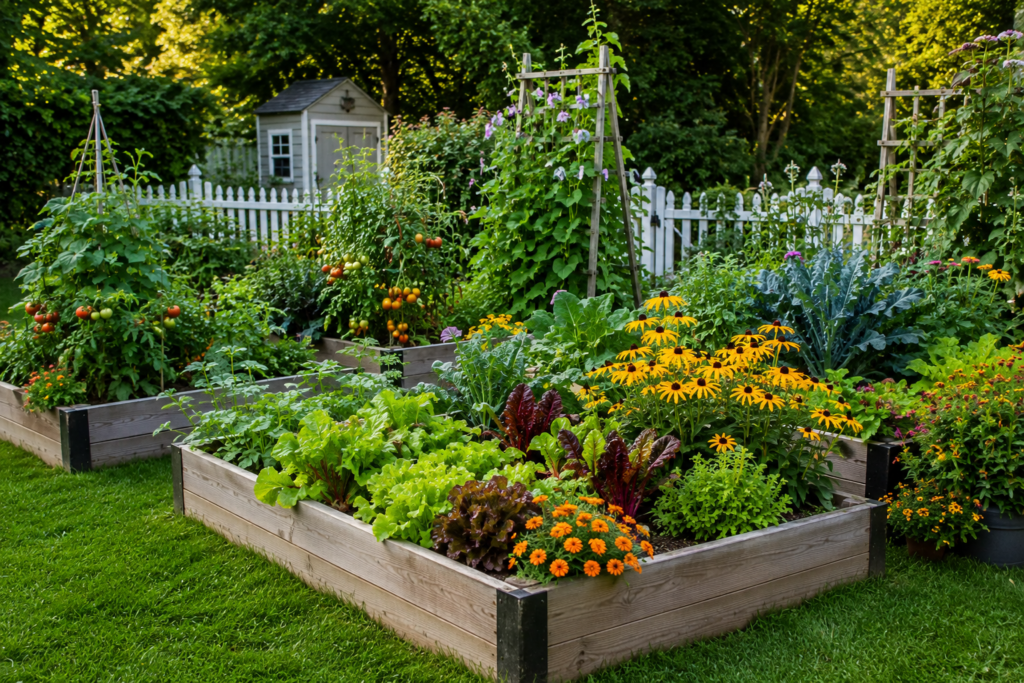
As summer winds down, resist the temptation to cut the entire garden to the ground. Some plants will continue blooming well into fall, while others develop attractive seedheads that provide food for birds and shelter for beneficial insects. A slightly looser, more natural garden can be both beautiful and useful as the seasons change.
There will be plenty of time for more serious cleanup later. For now, concentrate your late August garden tasks on removing weeds, diseased foliage and plants that are truly finished while allowing the rest of the garden to make its gradual transition into autumn.
Enjoy These Last Days of the Summer Garden
Late August is one of my favorite times to really notice the garden. It’s no longer the fresh, perfect garden of May and June. Plants have grown into one another, flowers are beginning to fade, and everything feels a little more relaxed. And that’s part of its charm.
Tackle these late August garden tasks a little at a time, but don’t become so focused on preparing for the next season that you forget to enjoy this one. Pick a bouquet of dahlias or zinnias, gather some vegetables for dinner, sit beside the pond, or simply wander through the garden in the evening. Fall will arrive soon enough.
